History of the Fabric
The journey of luxurious fabrics began centuries ago, woven into the stories of royalty and high fashion. From sumptuous silks in ancient China to the intricate brocades of Renaissance Italy, fabric history is rich and diverse. Over time, these materials have evolved in both use and production, driven by innovations in dyes, weaving techniques, and technology.
What Defines Quality
Quality luxury-grade fabrics are characterized by their material composition, weave structure, and finish. Natural fibers such as silk, cashmere, and linen are often considered the gold standard. The tactile experience, sheen, and the ability of the fabric to maintain its form over time also contribute to its quality. Understanding these parameters helps in discerning true luxury from mass-produced alternatives.
How to Identify Luxury-Grade Fabric
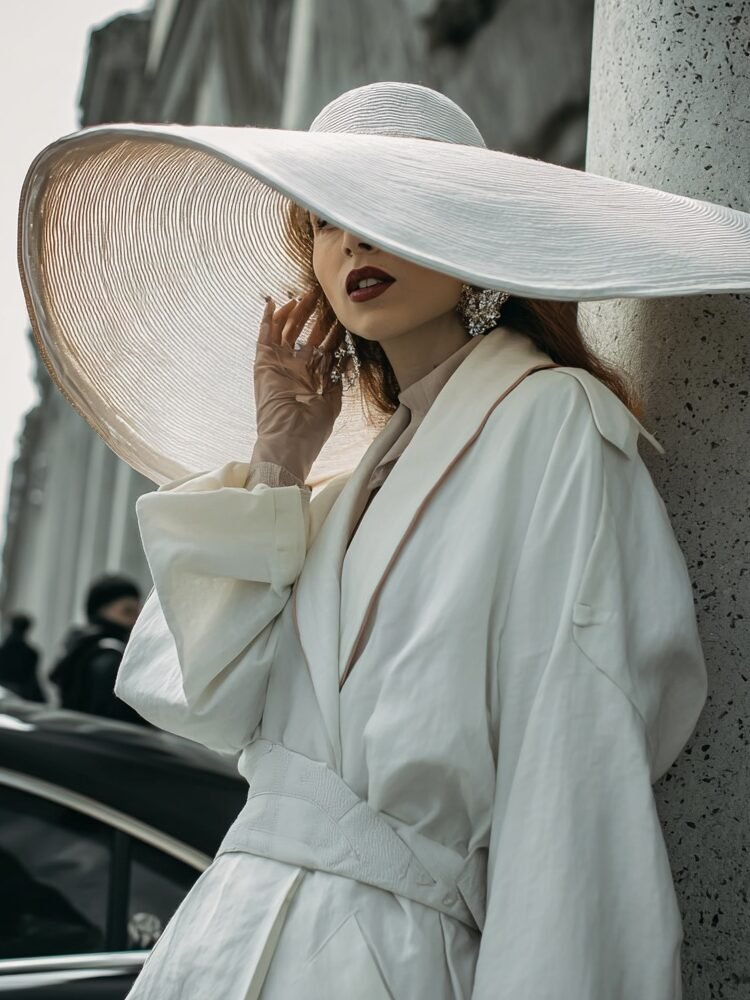
Identifying luxury-grade fabric can sometimes be challenging. Look for indicators of quality, such as weight and drape; heavier fabrics often signal better craftsmanship. Additionally, examine the fabric’s surface for smoothness and any signs of imperfections that detract from its allure. A reputable brand label often guarantees authenticity. When shopping, trusting your senses—touch and visual appeal—can guide you toward the finest options.
Care
Proper care is essential for maintaining the beauty and integrity of luxury fabrics. Regular cleaning, appropriate storage, and avoiding exposure to direct sunlight can prolong your fabric’s life. Follow the manufacturer’s recommendations for washing and ironing, as different materials require specific techniques to prevent damage. Caring for luxury fabrics not only preserves their allure but also ensures durability for years to come.